
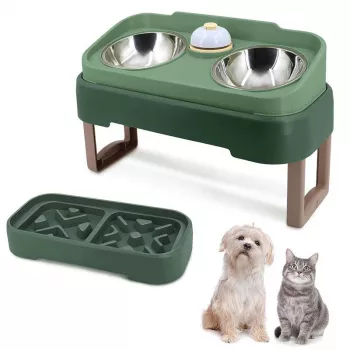
Adjustable Elevated Pet Bowl Set: Stainless Steel 3-in-1
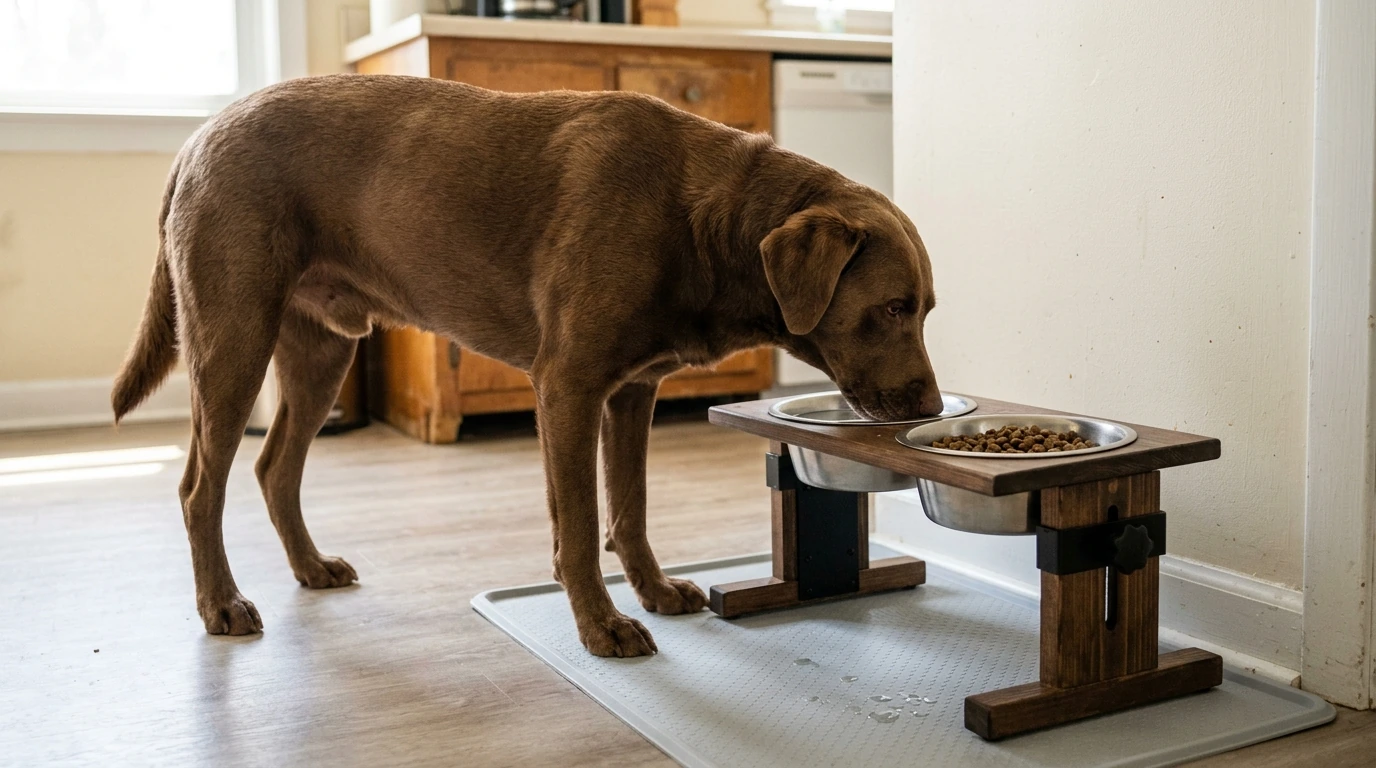
3-in-1 Adjustable Stainless Steel Elevated Pet Bowl Set: A Cleaner, More Comfortable Mealtime Setup
A good feeding station does more than hold food and water—it keeps mealtime tidy, supports a more comfortable posture, and makes daily cleanup easier. Our team built this guide for households that want a durable, adjustable setup that can adapt as your pet grows or as routines change. The 3-in-1 Adjustable Stainless Steel Elevated Pet Bowl Set is designed to keep feeding organized while giving you flexibility day to day.
What makes this elevated bowl set a practical everyday upgrade
When you’re feeding every day (often multiple times a day), small friction points add up—bowls that scoot, splashes that spread, and awkward angles that make pets crouch. An adjustable elevated station solves several of those issues at once.
- Adjustable height supports different pets and life stages. You can tailor the setup for smaller pets, tall adult dogs, or a growing puppy without buying a whole new station.
- Stainless steel bowls hold up to real routines. They’re durable, odor-resistant, and typically simple to wash, which matters when you’re rotating food and refreshing water often.
- A defined feeding zone helps contain the mess. Keeping food and water in one elevated spot can mean fewer drips and less scattered kibble across the room.
- The “3-in-1” approach supports repeatable habits. A consistent station makes it easier for everyone in the home to feed, refill, and clean without hunting for bowls.
Quick comparison: floor bowls vs. adjustable elevated setup
| Feature | Typical floor bowls | Adjustable elevated bowl set |
|---|---|---|
| Feeding posture | Pet bends low to eat/drink | Height can be set closer to a comfortable level |
| Flexibility as pet grows | Often replaced as size needs change | Adjust height instead of replacing the station |
| Daily cleanup | Can slide around; spills spread outward | More controlled feeding zone; easier to wipe around |
| Durability | Varies by material | Stainless steel bowls built for frequent washing |
| Household organization | Multiple bowls can migrate around the home | One station keeps supplies in a consistent place |
How to set the right bowl height (and keep it consistent)
Adjustable height is the whole point—so it’s worth taking a few minutes to dial it in. The goal is to support a natural, relaxed stance while your pet eats and drinks.
- Start with a comfortable stance. You want neutral posture: no stretching upward to reach the bowl, and no deep crouch that pushes the neck down.
- Use small adjustments. Change height gradually over a few meals so your pet can acclimate and you can watch for comfort and ease.
- Lock in the routine. Once you find the sweet spot, keep it consistent so mealtime feels predictable (especially helpful for cautious eaters).
- Re-check for growing pets. Puppies and young dogs can outgrow a setup quickly—make height checks part of your regular routine.
- Place the station on a stable, easy-clean surface. A flat spot reduces wobble and helps limit splash and skid.
If you want broader feeding guidance beyond bowls and stations, the American Veterinary Medical Association (AVMA) has helpful resources on nutrition and feeding basics.
Why stainless steel bowls fit busy households
In a high-traffic home, the best bowl is usually the one you can clean quickly and trust day after day. Stainless steel is a go-to for many pet owners for practical reasons.
- Easy to wash. Stainless steel typically tolerates frequent cleaning well—helpful when you’re dealing with sticky wet food or daily water refills.
- Less lingering odor. Compared with more porous materials, stainless steel can help minimize smells that build up over time.
- Convenient for multi-pet routines. When pets have different diets or you’re staggering mealtimes, it’s simpler to sanitize and reset quickly.
- Great for water bowls. Stainless steel is sturdy for frequent refills and quick rinses throughout the day.
For more general tips on healthy feeding habits, Cornell’s veterinary resources are a solid reference: Cornell University College of Veterinary Medicine.
Making mealtime less messy: placement, mats, and habits
An elevated stand helps—but placement and habits finish the job. If your current setup leads to puddles, crumbs, or constant bowl “migration,” these small changes can make a noticeable difference.
Who this adjustable elevated set tends to suit best
If your dog has a history of digestive issues or you’ve been warned about bloat risk, it’s smart to ask your veterinarian what feeding setup is most appropriate. The American Kennel Club (AKC) provides an overview of bloat (GDV) and risk awareness you can discuss with your vet.
Care and upkeep that keeps the set looking new
Popular picks from our store
- 3-in-1 Adjustable Stainless Steel Elevated Pet Bowl Set
- Women’s Breathable Slip-On Sneakers with Non-Slip Sole
- Heart-Shaped Ceramic Bowl for Fruit, Pasta, Salad, and Desserts
FAQ
Are elevated pet bowls a good idea for all dogs?
Elevated bowls can improve comfort for some pets, but the best setup depends on your dog’s size, age, and health. If your dog has special medical needs or you’re concerned about digestive risks, your veterinarian can help you choose a feeding approach that fits.
How do you choose the right height for an adjustable elevated bowl?
Set the bowls so your pet can eat and drink in a relaxed, neutral posture—without stretching up or crouching down. Make small height changes over a few meals and stick with the most comfortable setting once you find it.
How often should stainless steel pet bowls be cleaned?
Wash food bowls after each meal and wash water bowls daily. In multi-pet homes or for pets with sensitive immune systems, cleaning and sanitizing more frequently can be helpful.













Leave a comment